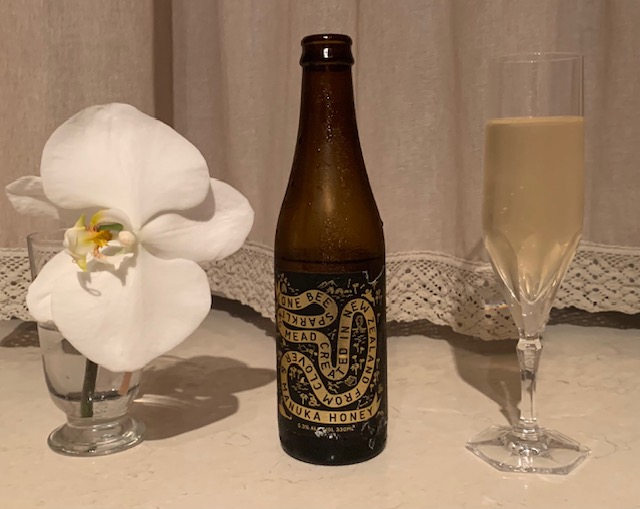
This is yet another Intermission in our Days of Wine and Music series. We return once again to JFEX 2024 and take a look at another one of the fine products we encountered there—Lone Bee Sparkling Mead from New Zealand.
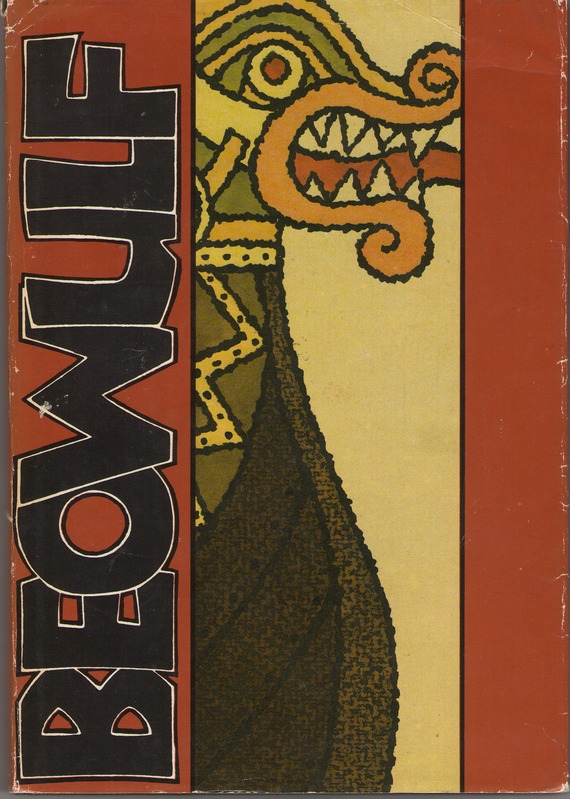
Some of our curious readers may have asked themselves that perennial question of great import, “What is the oldest alcoholic beverage in the world?” And a worthy question that is, too. Most will naturally assume that it is mead, that honeyed hooch ladled out in generous servings in the mead hall, naturally. The drink makes its appearance in such hoary texts as Beowulf, so it’s been around for a while, of course. Unfortunately, that is not the answer that we are looking for here. According to the Penn Museum, located on the campus of the University of Pennsylvania, “Chemical analyses recently confirmed that the earliest alcoholic beverage in the world was a mixed fermented drink of rice, honey, and hawthorn fruit and/or grape.”1 Well, okay, okay, there was some honey in it. Let’s not nitpick here, shall we?
The residue of this beverage was found in China and dated circa 7000-6600 BCE. We’re pretty sure that the Rolling Stones started plugging this drink shortly after it hit the market.
Anyway, we at drinkingjapan.org are no strangers to mead. Indeed, we wrote about it a few years back in our “Bees of Boso” entry. This week we will introduce our readers to a New Zealand sparkling mead made from a blend of two varieties of honey, clover and manuka, a wonderful combination of the common and the rare, the light and the rich. Aside from the taste, which we will get to shortly, there are a few other attributes of Lone Bee Sparkling Mead that we like: 1) it contains no preservatives; 2) other additives are out of the question; and 3) artificial flavors won’t even be considered! The flavors in this 5.3%-ABV beverage are the real deal.
Now for the tasting notes: The nose shows clear evidence of both clover and manuka. On the palate, the honey varieties are a little less distinct, though. There is also a subtle, inexplicable fruitiness, which is quite pleasant. For more information on Lone Bee, check out their website: http://www.lonebee.co.nz.
1https://www.penn.museum/research/project.php?pid=12
*Raamat. BEOWULF. Anglo-saksi eepos. Tallinn, 1990. by “Eesti Raamat” kirjastus (kirjastaja) – 1990 – Dr. Friedrich Reinhold Kreutzwald Memorial Museum, Estonia – CC BY.
https://www.europeana.eu/item/401/item_EXTP52GMSTCR7BLMSKKTQ43264CMVXNB

 Drinking Japan