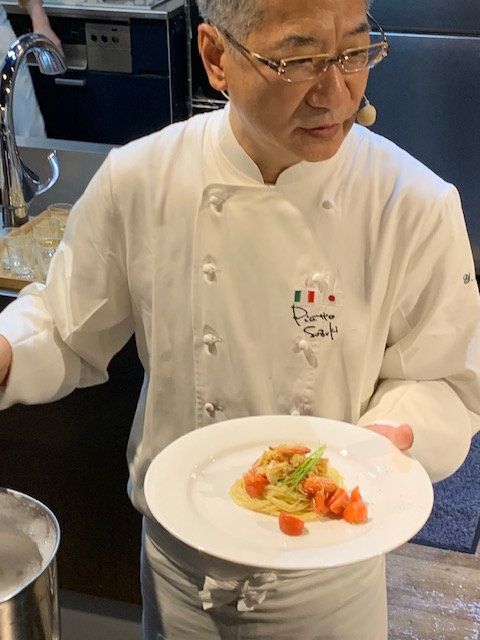
Late last year one of us here at drinkingjapan.org received an invitation from the Foreign Press Center of Japan to a media event entitled “A Journey to Unravel Tokyo’s Diverse Food and Spirit,” organized by the Tokyo Food Promotion 2024 Executive Committee and the Tokyo Metropolitan Government. It was open to journalists and embassy officials. Starting this week, drinkingjapan.org will run a series on this happening. In a departure from our usual style, it will be written in the first person. This installment will present an overview and subsequent installments will focus on the three participating chefs.
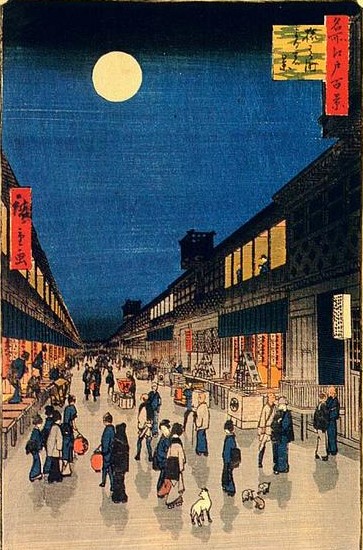
I am going to start by clarifying a few things as succinctly as possible. First, Edo is the old name for Tokyo and also the name for a period of Japanese history, beginning in 1603 and culminating in 1868. It was during this period that sushi appeared on the scene, pretty much as we know it today. Edo’s culinary culture was vibrant, and its resident foodies had many opportunities to satiate their appetites with a wide array of exclusively Japanese creations. With Japan’s opening, foreign dishes and beverages entered and made their impacts, sometimes being altered to suit Japanese tastes and often improved thereby. Today, Tokyo’s haute-cuisine scene operates at a level of white-heat intensity, which suits me just fine. A couple of statistics will buttress my argument here. As of 2024, there are now 170 restaurants in Tokyo that have been awarded Michelin stars. In a sense, one could say that Japan’s capital is also the Michelin capital of the world, as it has been the city with the greatest number of Michelin-starred restaurants for a total of eighteen years!

 Drinking Japan