
As we implied in the first entry of this series, there is more to ostriches than meat. We could go on at great length about this, but, as our readers will know, we try to keep our postings relatively brief.
Among the notable characteristics of the bird are its feathers and its eggs. The illustration above shows one such use of the former, in the Heraldic Badge borne by the Prince of Wales (that’s not “whales,” mind you). Such decorative pomp is not confined to the shores of Albion, though. “Ostrich feathers were worn by men in ancient Egypt, being stuck in their hair, and a religious significance was possibly connected with this custom. Such feathers are invariably found in the hair of lightly-equipped soldiers of ancient times….”1

As for the eggs, well, we wonder whether it is appropriate to use the English expression “over easy” when conveying a cooking preference for them. One of these babies contains about “forty fluid ounces” and is capable of creating an omelet for eight persons! Not only that, the taste is comparable to what those stingy hens produce!2
Then, there are the egg cups. Yes, these capacious shells can produce very attractive drinking vessels of a utilitarian or artistic nature. One such example of the former appears immediately below, followed by an example of the latter.


Finally, there are the cosmetic uses. Yoshinoya’s Speedia has produced Hand & Body Care Milk from Ostrich Oil, Ostrich Keratin, and Spa Water, as well as other ingredients. We have tried this opulent, creamy lotion and have found it to be a wonderful solution. We also like the fact that it is “Made in Japan” from the country’s very own ostriches!
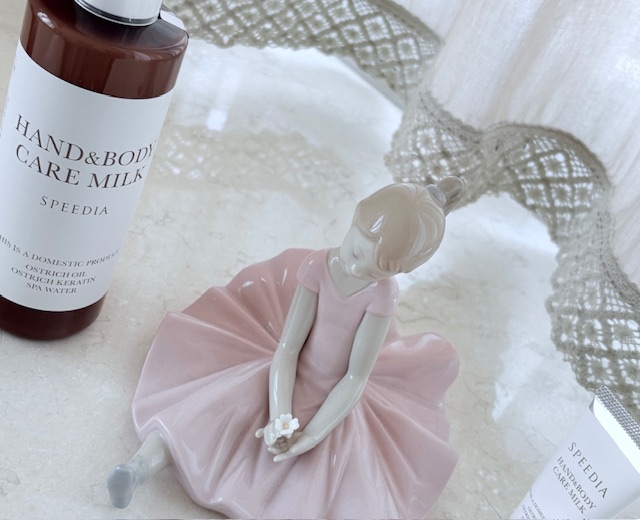
Speedia, Hand & Body Care Milk Link: https://e-shop.yoshinoya.com/shop/brand/speedia/
1Laufer, B. Ostrich Egg-shell Cups of Mesopotamia and the Ostrich in Ancient and Modern Times, (Chicago: Field Museum of Natural History, 1926).
2Ibid.

 Drinking Japan