
In March 2025 Esquire ran a short piece entitled “Baijiu for Beginners.” For me, this kind of article is a harbinger of sorts, doing the spadework in a land that might prove fertile ground for future baijiu sales. What better way to do this than to use a cocktail or cocktails as the delivery vehicles? The principle is pretty simple: 1) find a knowledgeable and creative bartender; 2) have said person whip up a libation that features the unfamiliar substance; 3) choose other ingredients with which the target market is familiar; and 4) prepare and serve aesthetically, flamboyantly, and/or theatrically. The Esquire article gives the recipes for three cocktails: the Fallen Angel, Li’s Negroni, and Baijiu on the Beach. These drinks contain, separately, not collectively, such familiar ingredients as vermouth, Campari, mezcal, and rum, in addition to the baijiu.
To some, baijiu may be a new thing, but it has been around for a long time, a very long time actually—approximately 9,000 years! It is also widely drunk: “more baijiu is consumed worldwide than whisky, gin, tequila, and vodka combined.”1
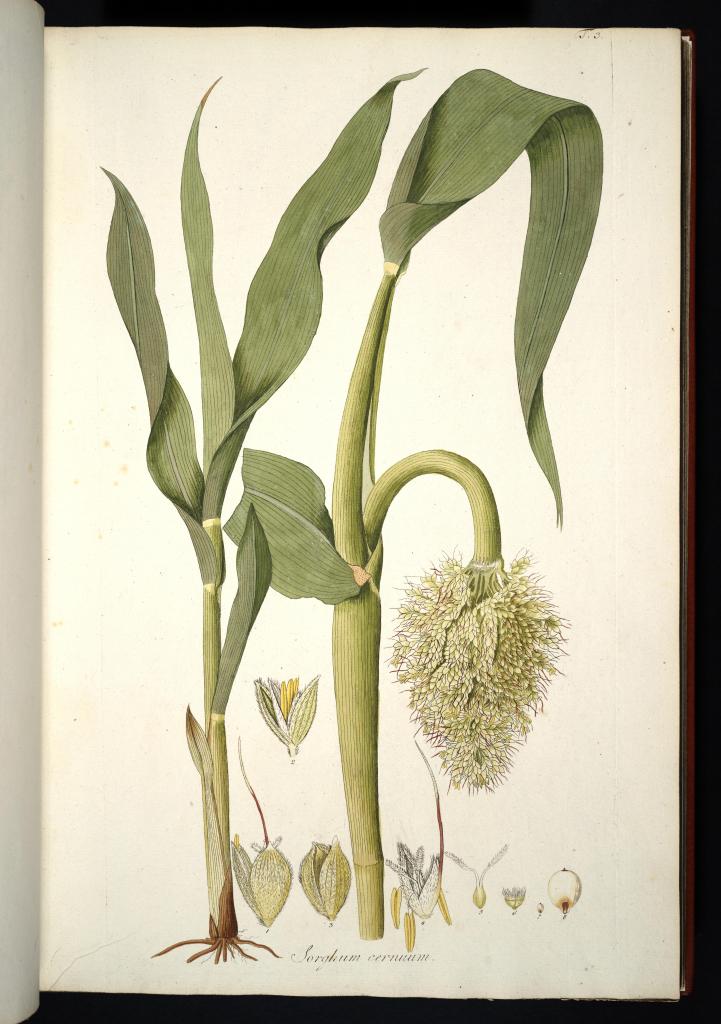
What is baijiu? I will keep it simple here. It is a grain-based liquor. The grains can be rice, barley, wheat, millet, Job’s tears, or sorghum. The last-mentioned is a key player in the world of baijiu. It comes in various styles, some of which are closely identified with different regions.
1Desalle, R., Tattersall, I., “Baijiu” (Mark Novell), Distilled: A Natural History of Spirits (New Haven, Yale University Press, 2022).


