These are no slapdash concoctions whipped up “Love Potion No. 9” style. As the subtitle makes clear, they are elegant, and they contain some of our favorite ingredients. The base liquor for both is the seldom-seen kasutori shochu, or sake-kasu shochu (sake-cake shochu). This is rice-based shochu made by refermenting the sake lees. It is complex and a real pleasure to drink.


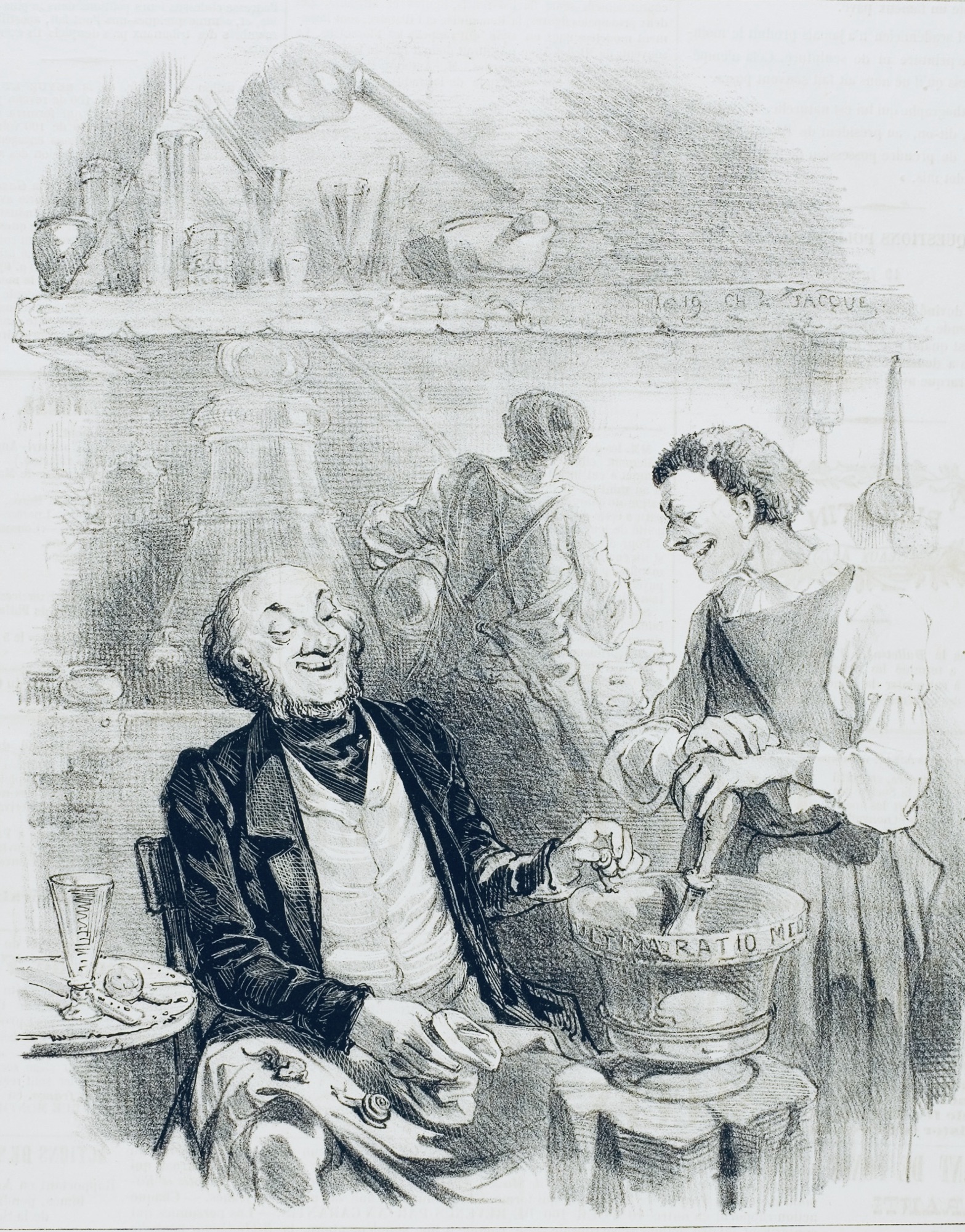
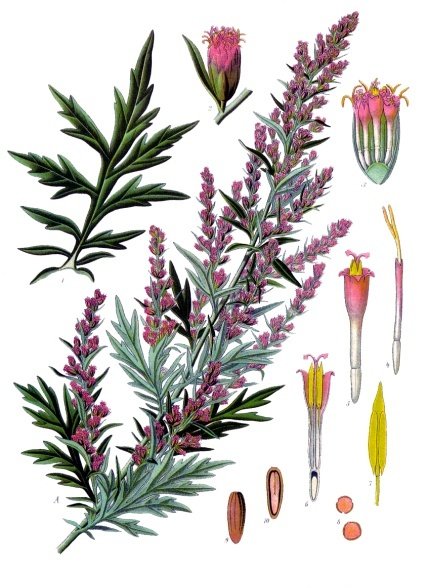
Satonowa No. 3—it’s No. 3, mind you, not 9—contains Kuromoji and Perilla, as well as beets, roselle, and mugwort. Because of space limitations, I will confine my comments to perilla (shiso) and mugwort (yomogi). Perilla is often consumed with sushi. It makes a welcome addition to many dishes, but it is also medicinal. A brief citation from Evidence-Based Complementary and Alternative Medicine might shed some light on this: “It was reported that rosmarinic acid [a constituent of perilla] inhibits seasonal allergic rhinoconjunctivitis in humans.”1 As for mugwort, aside from being the driving force behind moxibustion and the main ingredient of the delicious kusa mochi, there are other uses. Consider this one from Pliny the Elder (AD 23 (?)-79): “The wayfaring man that hath the herb tied about him feeleth no weariness at all, and he can never be hurt by any poisonous medicine, by any wild beast, neither yet by the sun itself.”2 Enough said!
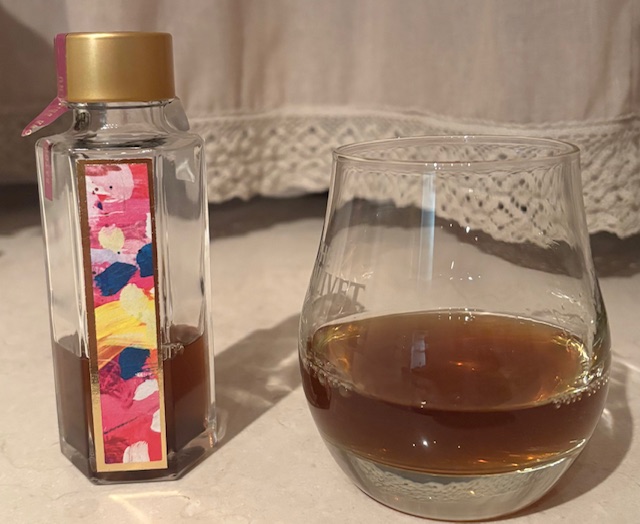
Beets: A libation that should be especially appealing to Australians, who are known for putting this wonderful vegetable in sandwiches, contains yuzu, as well.
Sensory Evaluation of Satonowa No. 3: Color: dark, reddish-brown. Nose: beets and vegetal notes, presumably from the perilla. Palate: a hint of beet and a hint of perilla, in equal measure. Mouthfeel: silky. Finish: Sweet and long. Alch: 15%. General Comments: This is a true liqueur, a digestif in the grand tradition of Chartreuse, albeit with far fewer ingredients and much lower alcohol.
Sensory Evaluation of Beets: Color: tawny. Nose: Sweet and fruity with a bouquet not unlike mulled wine. Palate: An initial sweetness that is gradually joined by a pleasant bitterness. There is a slight fruitiness owing to the presence of the yuzu. Mouthfeel: silky. Finish: long.
1Igarashi, M. and Miyazaki, Y., “A Review on Bioactivities of Perilla: Progress in Research on the Functions of Perilla as Medicine and Food,” Evidence-Based Complementary and Alternative Medicine (Volume 2013).
2Thiselton-Dyer, T., The Folk-lore of Plants (London: Chatto & Windus, Piccadilly, 1889).

 Drinking Japan