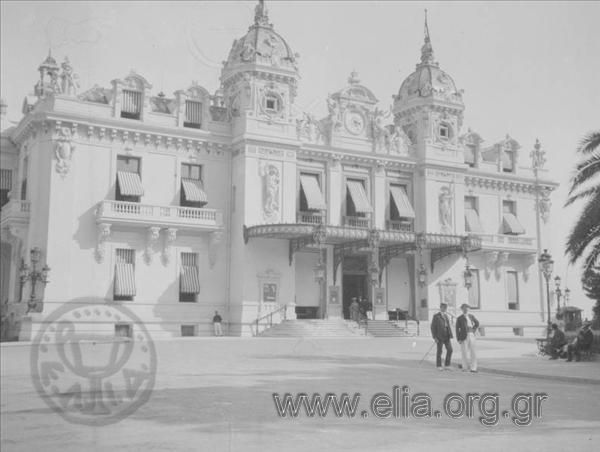
Adding to Monaco’s cachet is its association with the most haute of cinematic icons to grace the silver screen or its tiny handheld counterpart—James Bond. This linkage owes its existence to the construction of the Casino de Monte Carlo in 1878 by Charles III. Personally, I have never been a big fan of public-works projects, which so often do not live up to the promises made by their promoters, but this one paid off in spades, literally—we are, after all, talking about a casino here—and figuratively.
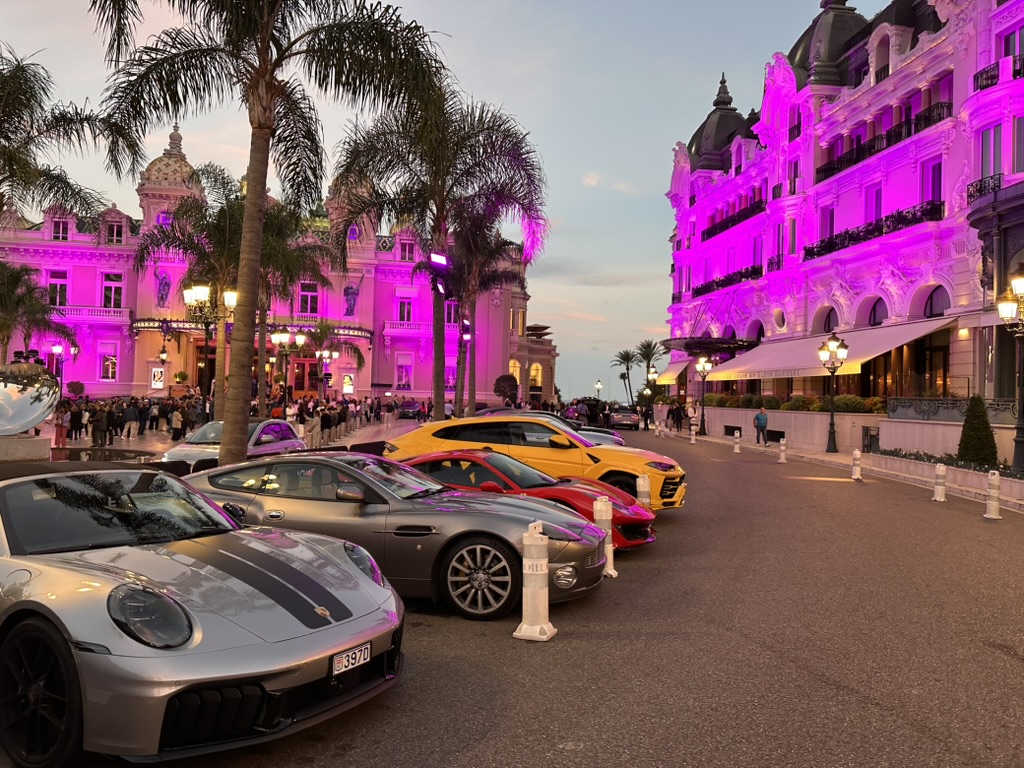
Product placement is a big part of many 007 productions, and the merchandise on display is, shall we say, not aimed at the mendicant market. It carries a hefty price tag. It would be good to see Jimmy Bond, that whisky-sipping American spy, lifting an o-choko now and then at a posh hotel.
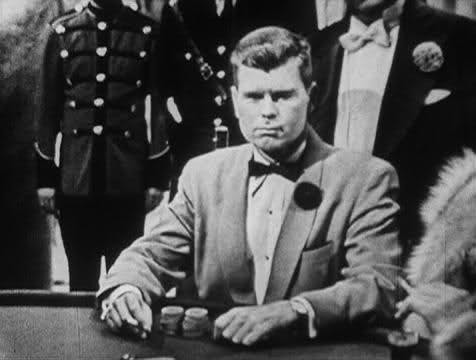
What? American? What? Whisky-sipping? What? Jimmy? What does this all mean, anyway? Permit me to explain. The Monaco-Bond link was established with the publication of Ian Fleming’s Casino Royale, the first JB novel. The first time Bond appeared on the screen—that’s TV screen here—was in a rather cheesy 1954 CBS production, appropriately entitled Casino Royale. Our protagonist is referred to as “Jimmy” on a couple of occasions, identified as an American, and orders scotch. Furthermore, he seems just a tad too torpid for a character with quasi-superhero stamina. Fortunately, for Monaco, the casino, which at times resembles a converted children’s playhouse, is said to be located in France, somewhere. This Bond (pictured below) stands in sharp contrast to future manifestations of the character as played by Sean Connery et al., the actors who added panache to the recherché.
Link to Casino Royale: https://archive.org/details/ClimaxCasinoRoyale


