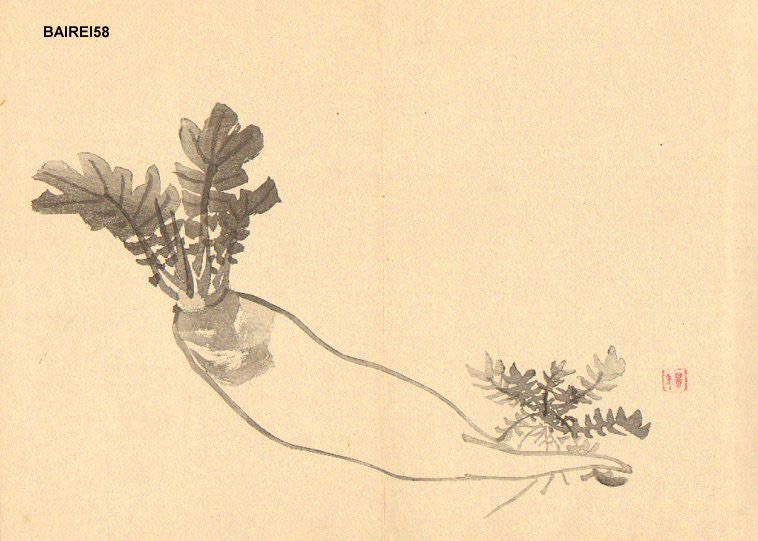
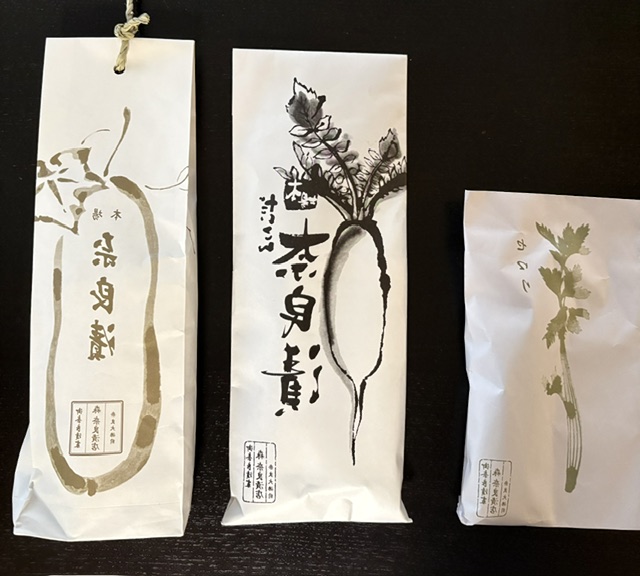
There are many reasons to sing the praises of fermentation. Sandor Katz kicks off his wonderful Wild Fermentation by stressing the fact that fermented foods are “alive with flavor and nutrition” and tend to pack a pungent punch that we find very appealing. He then proceeds to list some of our favorite foods: “…stinky aged cheeses, tangy sauerkraut, rich earthy miso, smooth sublime wines.”1 As you can see, he doesn’t specifically mention pickles, but sauerkraut (a.k.a., German kimchee) is a suitable stand-in.
This writer’s favorite pickle place in Japan is Nara, the ancient capital of the country. Choosing a favorite type of pickle in Japan is no easy task. It seems as if the country has at least one famous type of pickle in each of its forty-seven prefectures. And, although I can’t say that I have tried all types on offer, I certainly sampled a good many. Nara-zuke is number one in my book.
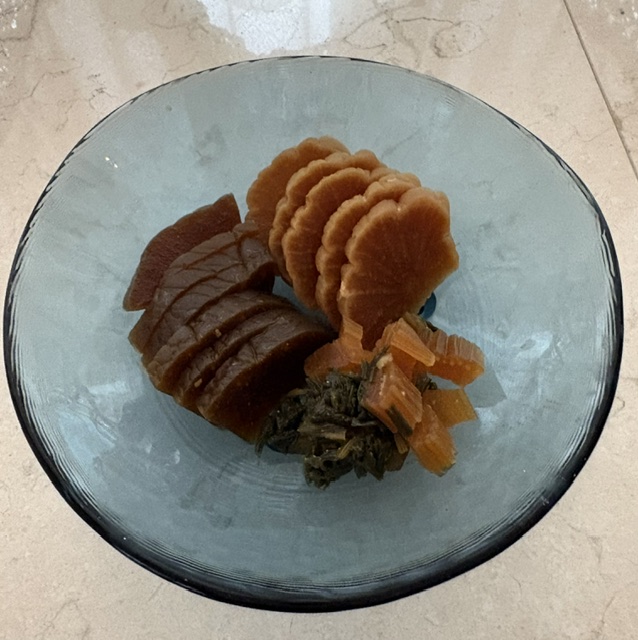
What you see in the picture above are the results of the Nara-style pickling of three vegetables: daikon (light brown), uri [a kind of melon that resembles a cucumber] (dark brown), and celery (dark green and light brown). All are from Mori Naraduketen Co. Ltd., Nara’s most famous purveyor of fine pickles. They are wonderfully crisp—almost crunchy—and redolent of sake, owing to the copious use of sake lees during aging. Miso is another fermented product that plays a key role here.
I tasted all three alone and then again with rice. They were all very good without rice, but the saltiness of the miso made them taste even better with rice. Uri is the most orthodox vegetable here. Uri Nara-zuke is often served with unagi (eel). Uri is my favorite, but daikon is also very appealing. It was the first time for me to taste celery prepared in this style. This may seem like a contradiction in terms, but I found it refreshing, even a bit youthful.
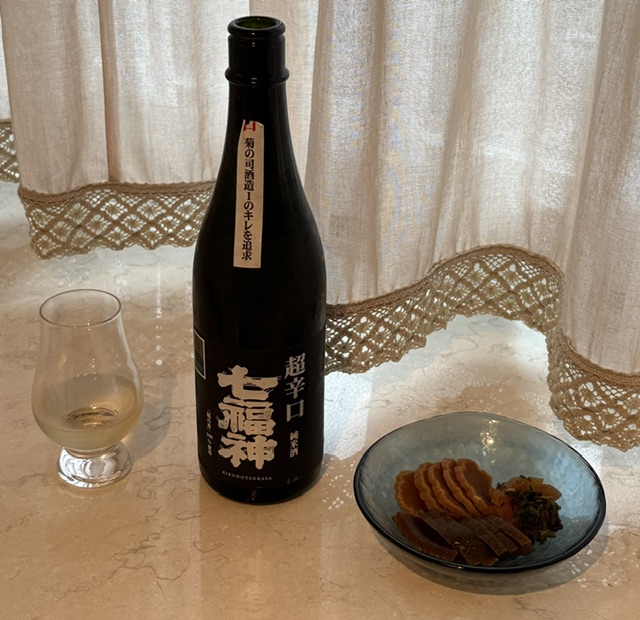
I consumed all of these along with a sake from an Iwate-based kura that we have written about on a number of occasions. A link to one entry is here: https://drinkingjapan.org/2025/04/23/kikunotsukasa-shuzos-shichifukujin-junmai-daiginjo/ . I found that this Junmai-shu with a 60% polishing rate went best with the celery.
1Katz, S. Wild Fermentation: The Flavor, Nutrition and Craft of Live-Culture Foods (Vermont: Chelsea Green Press, 2003).


